
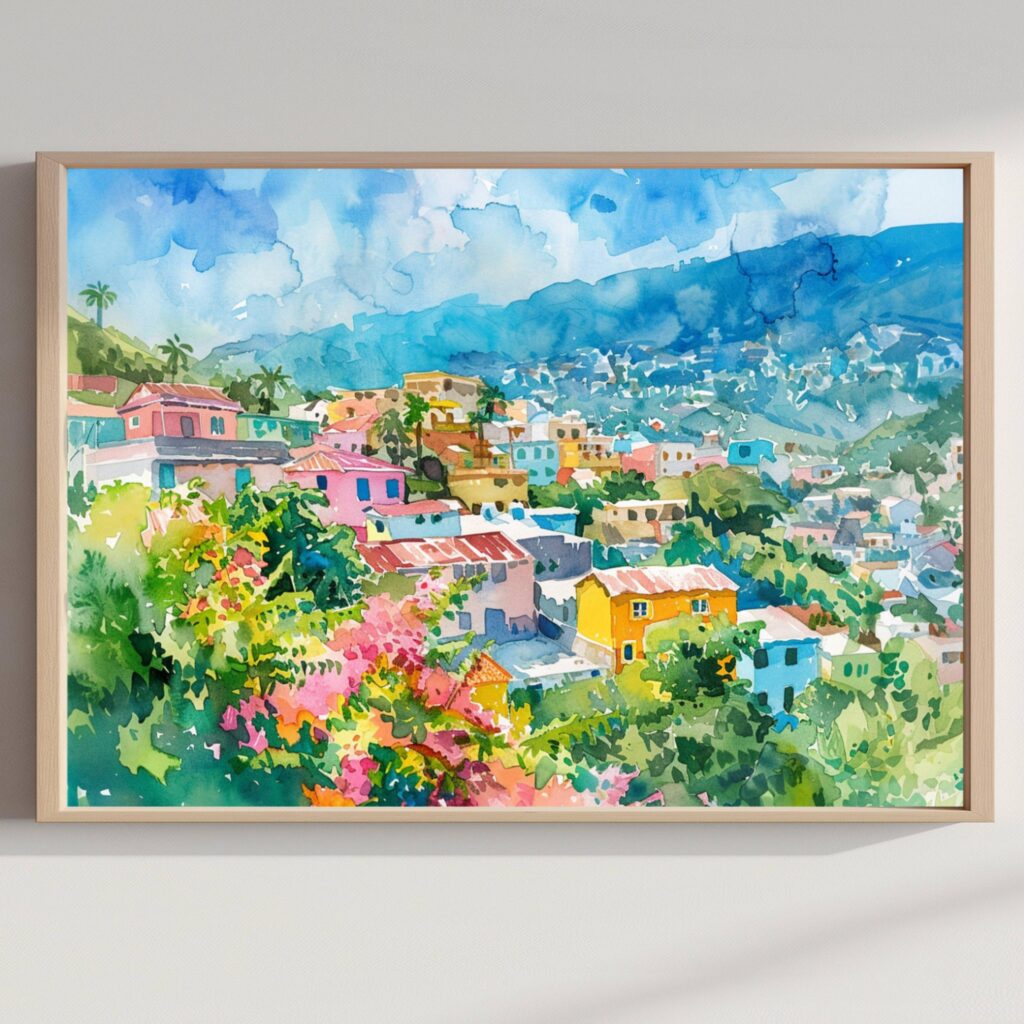
Port-au-Prince was founded by French colonists in 1749 and became the capital of Haiti following the Haitian Revolution of 1791 to 1804, the only successful slave revolt in history to result in an independent nation, making Haiti the first Black-led republic in the world and Port-au-Prince the capital of a country whose founding remains one of the most significant events in the history of the Atlantic slave trade’s abolition. That revolutionary history has shaped Haitian national identity profoundly, even as the nation faced decades of political instability, foreign intervention, and economic hardship in the centuries since.
The city has been struck repeatedly by devastating natural disasters, most catastrophically the 2010 earthquake, which killed an estimated 200,000 to 300,000 people and destroyed a significant portion of the city’s infrastructure, one of the deadliest earthquakes in recorded history relative to the size of the affected population.
A City That Has Rebuilt Itself More Than Once Before
Port-au-Prince was significantly damaged by fires and earlier earthquakes multiple times prior to 2010, including major fires in the 1990s amid periods of political unrest, giving the city a long, difficult history of destruction and reconstruction that predates its most recent and most devastating disaster. The city’s National Palace, badly damaged in the 2010 earthquake, became one of the most widely circulated images of the disaster internationally, a symbol of both the scale of the destruction and the difficulty of the recovery that followed.
Haitian art, including the vivid, distinctive painting tradition that developed strongly in and around Port-au-Prince from the mid-20th century onward, has become internationally recognised, offering a cultural counterpoint to the city’s frequent association abroad primarily with crisis and hardship.
Painting a Capital of Colour and Resilience
Port-au-Prince’s colourful hillside buildings and vibrant street life give a watercolourist bold colour and genuine character to work with. We’ve captured that setting in our own Port-au-Prince Watercolor Print, painted first by hand and printed to order on archival paper, a small piece of Haiti for a wall at home.
Founded by the only nation ever born from a successful slave revolt, Port-au-Prince remains a capital whose history of rebuilding has always run alongside a history of genuine historical significance.