
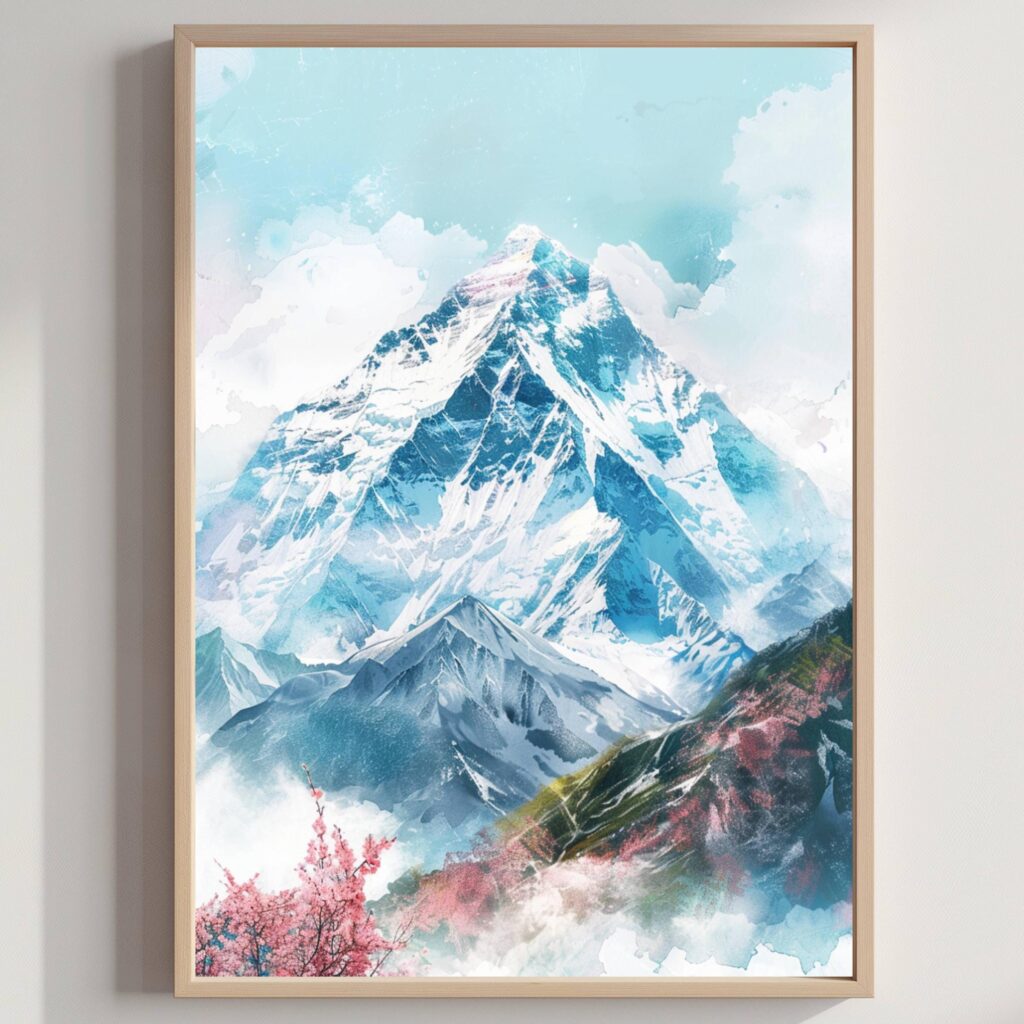
Mount Everest, at 8,849 metres, is still growing, the ongoing collision between the Indian and Eurasian tectonic plates that first formed the Himalayas continues to push the mountain slightly higher, roughly 4 millimetres annually, meaning the summit measured by climbers today is genuinely, if imperceptibly, taller than it was for their predecessors decades ago. Known locally as Sagarmatha in Nepali and Chomolungma in Tibetan, both names roughly translating to variations of “Goddess of the Sky” or “Mother Goddess of the World,” long before Western surveyors ever assigned it the name of a British colonial official.
Sir Edmund Hillary and Tenzing Norgay achieved the first confirmed successful summit in 1953, a climb that took nearly seven weeks of expedition effort and remains one of the most celebrated achievements in the history of exploration, though the two famously agreed never to publicly say which of them technically stepped onto the summit first, a mutual respect maintained for the rest of their lives.
A Mountain Under Increasing Pressure
Everest’s popularity has created serious modern challenges, overcrowding during the narrow annual climbing window has led to dangerous bottlenecks near the summit, and decades of expeditions have left behind significant amounts of waste and abandoned equipment, prompting ongoing cleanup efforts and stricter permit regulations from Nepali authorities. The Sherpa people, an ethnic group indigenous to the region, have played an essential, often under-credited role in nearly every successful expedition, their high-altitude expertise and physiological adaptation to thin air making most Western-led climbs possible at all.
Climate change has begun visibly altering the mountain itself, glacial melt has exposed the remains of past climbers previously preserved in ice, a grim but scientifically significant marker of just how much even the world’s highest point is being reshaped by a warming climate.
Painting a Peak Above the Clouds
Everest’s stark, snow-covered summit rising above the surrounding Himalayan range gives a watercolourist extraordinary scale to work with. We’ve captured that towering isolation in our own Mount Everest Watercolor Print, painted first by hand and printed to order on archival paper, a small piece of the Himalayas for a wall at home.
Still rising by millimetres each year, Mount Everest remains one of the only landmarks on Earth that is, quite literally, not yet finished growing.