
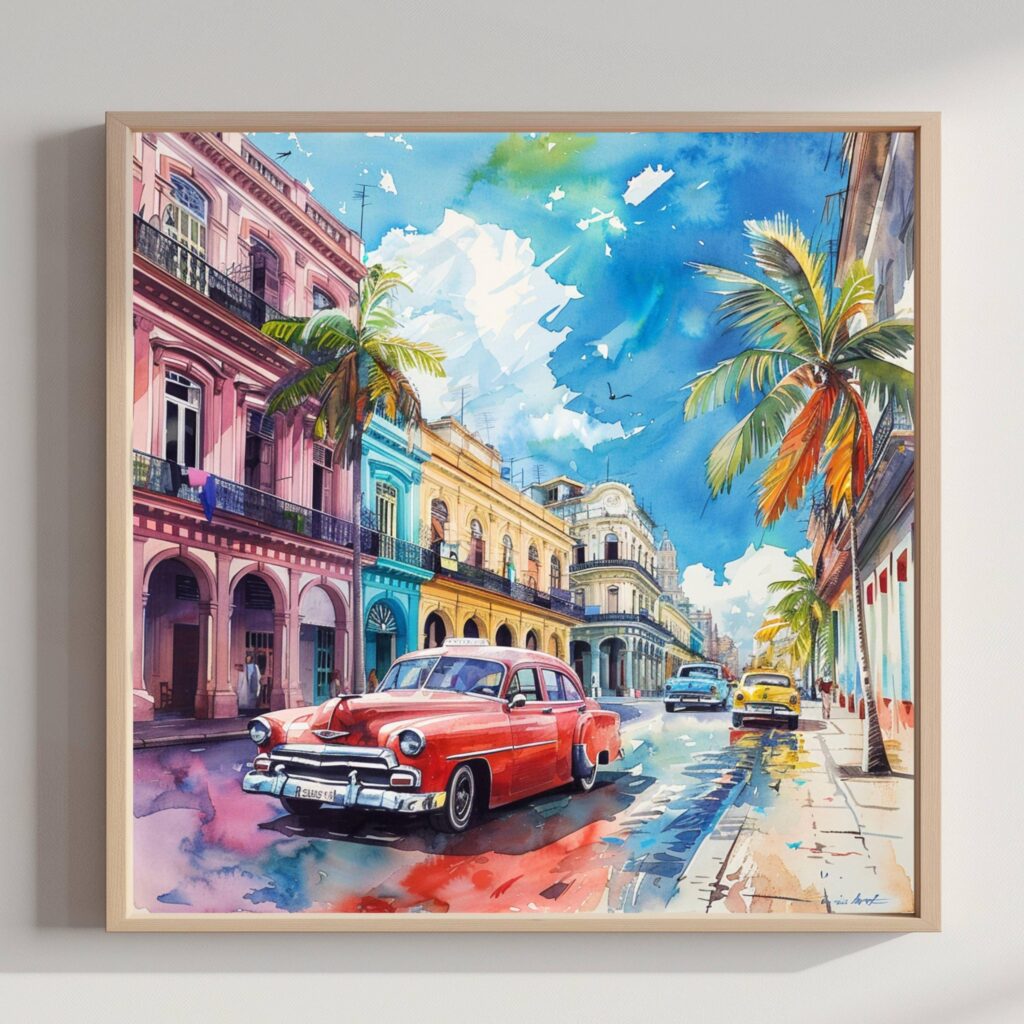
Havana’s streets are famously lined with vintage American cars from the 1950s, not out of nostalgia but necessity, a 1962 US trade embargo, imposed after the Cuban Revolution, cut off imports of new vehicles and parts almost entirely, forcing generations of Cuban mechanics to keep pre-revolution cars running through endless resourceful repair rather than replacement. What looks like a deliberately preserved retro aesthetic is, in reality, the visible result of six decades of economic isolation.
Old Havana, the city’s colonial core, retains one of the most complete collections of Spanish colonial architecture in the Americas, its plazas and cathedrals largely spared the aggressive redevelopment that transformed many other Latin American capitals during the 20th century, a preservation born partly of economic stagnation rather than conservation policy.
A Revolution That Reshaped Everything
The 1959 Cuban Revolution, led by Fidel Castro, fundamentally altered Havana’s trajectory, nationalising properties, redirecting the economy, and cutting the country off from much of the tourism and foreign investment that had defined it in earlier decades. That isolation, while economically difficult, inadvertently preserved much of the city’s mid-century character in a way few other major capitals experienced, Havana in many respects looks less altered since the 1950s than almost any comparable city in the hemisphere.
Music remains central to daily life in Havana, son cubano, the genre that gave rise to salsa, still played live in bars and plazas throughout the old city, a soundtrack that predates the revolution and has outlasted every political change since.
Painting Faded Colour and Old Chrome
Havana’s crumbling pastel facades and vintage cars give a watercolourist a genuinely distinctive, time-worn palette to work with. We’ve captured that faded colour in our own Havana Watercolor Print, painted first by hand and printed to order on archival paper, a small piece of Cuba for a wall at home.
Preserved less by intention than by isolation, Havana remains one of the few cities in the world shaped almost entirely by six decades of simply being unable to change.