
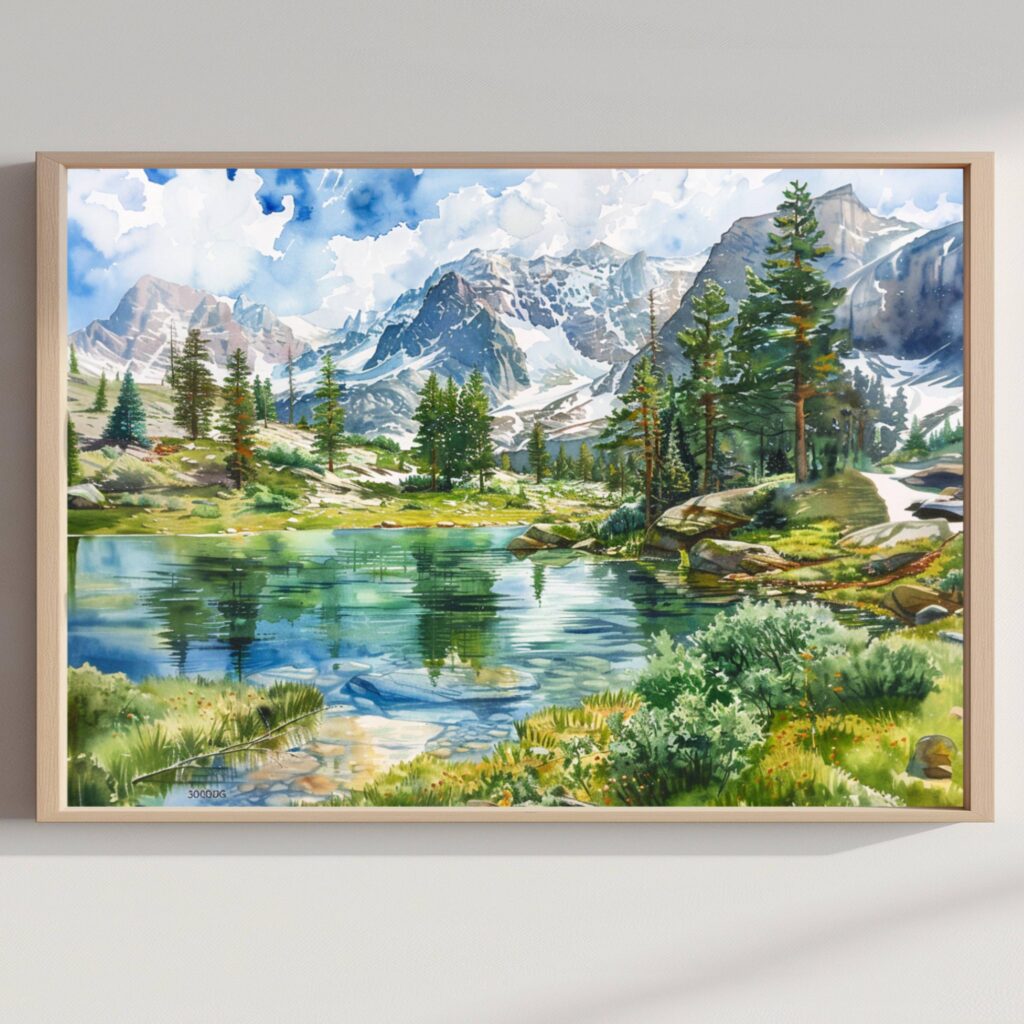
Glacier National Park, established in 1910, was named for the roughly 150 glaciers estimated to exist within its boundaries at the time, remnants of the last major ice age that carved the park’s dramatic peaks and valleys over thousands of years. That number has fallen dramatically, fewer than 25 glaciers large enough to still be classified as such remain today, and scientific projections suggest the park’s remaining glaciers could largely disappear within the coming decades, a genuinely uncomfortable irony for a national park whose very name may eventually no longer accurately describe what it protects.
The Going-to-the-Sun Road, completed in 1932 after over a decade of extraordinarily difficult mountain construction, remains one of the most celebrated scenic drives in the American national park system, crossing the Continental Divide at Logan Pass and requiring specialised snow-removal equipment each spring simply to reopen the road after winter, work that can take weeks given the sheer volume of accumulated snowpack.
A Landscape Central to Blackfeet Culture
The land now protected as Glacier National Park has held deep spiritual and practical significance for the Blackfeet Nation and several other Indigenous peoples for thousands of years before park designation, the Blackfeet in particular referred to the mountains as the “Backbone of the World,” a name reflecting the range’s central importance to their traditional territory and cosmology. The park sits directly adjacent to Canada’s Waterton Lakes National Park, and together the two form Waterton-Glacier International Peace Park, established in 1932 as the world’s first international peace park, symbolising friendship between the United States and Canada.
Glacier’s remote, largely undeveloped wilderness supports healthy populations of grizzly bears and mountain goats, among the more reliable places in the contiguous United States to observe both species in genuinely wild, undisturbed habitat.
Painting Ice and Stone Before Either Disappears
Glacier National Park’s rugged peaks and remaining ice fields give a watercolourist dramatic alpine scale and a genuine sense of urgency to work with. We’ve captured that landscape in our own Glacier National Park Watercolor Print, painted first by hand and printed to order on archival paper, a small piece of Montana for a wall at home.
Named for ice that is now visibly disappearing within a single human lifetime, Glacier National Park remains one of the more quietly urgent landscapes left to see while its namesake still exists.