
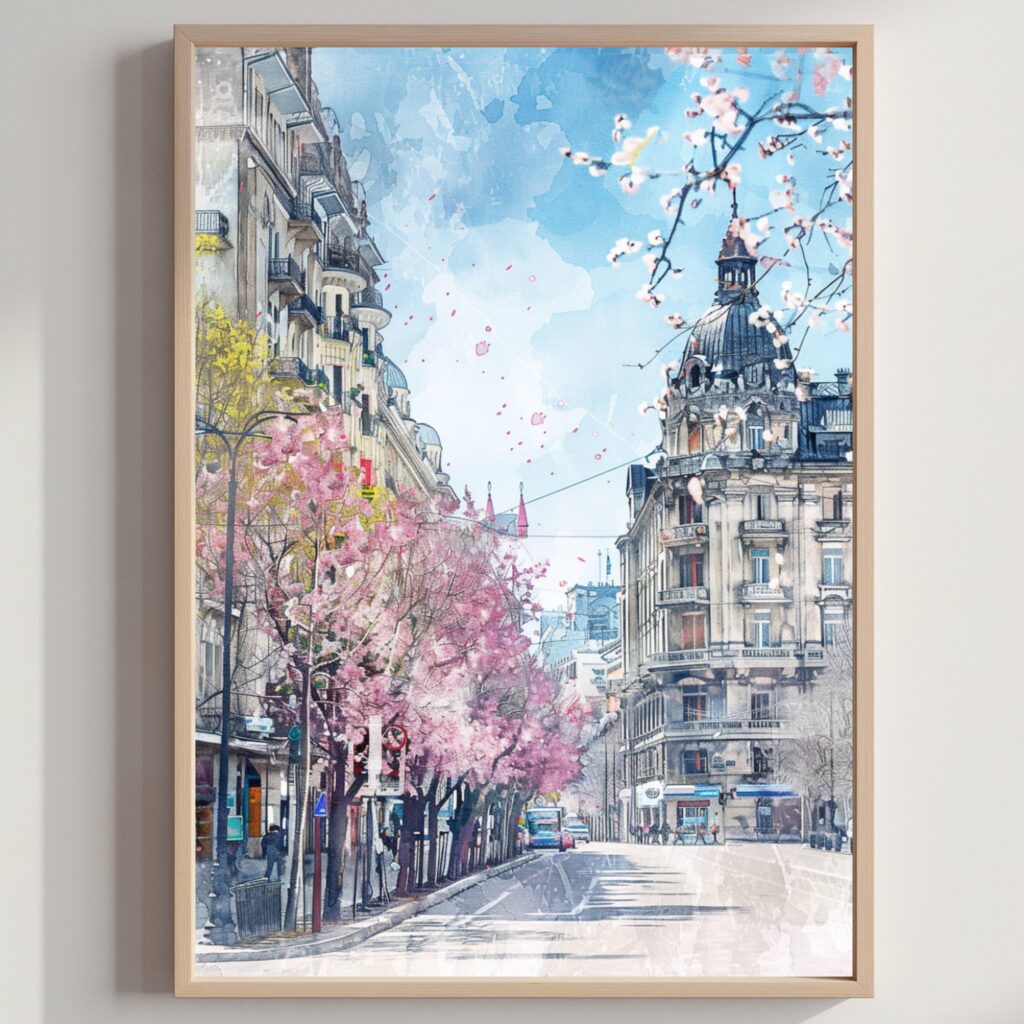
Belgrade has been destroyed and rebuilt an estimated 40 times throughout its recorded history, historians frequently cite it as one of the most fought-over cities in Europe, its position at the confluence of the Sava and Danube rivers making it a strategically vital crossing point that Roman, Byzantine, Ottoman, Austro-Hungarian, and modern European powers have all fought to control at various points across roughly two millennia. Kalemegdan Fortress, overlooking the river confluence, reflects that layered military history directly, its current structure dating largely from Ottoman and Austrian rebuilding phases atop Roman and medieval Serbian foundations beneath.
That repeated destruction means Belgrade’s architecture is unusually varied for a European capital, relatively little truly ancient building stock survives intact, and much of the city’s visible character instead reflects 19th and 20th-century reconstruction, alongside a significant layer of Yugoslav-era modernist architecture from the decades when Belgrade served as capital of a unified Yugoslavia.
A Capital That Outlasted the Country It Once Led
Belgrade served as the capital of the Socialist Federal Republic of Yugoslavia from 1945 until the country’s violent breakup through the 1990s, a period that included NATO bombing of the city in 1999, damage from which, including the deliberately preserved ruins of the former Yugoslav Ministry of Defence building, remains visible in parts of the city today as a stark, unresolved historical marker. Since then, Belgrade has continued as the capital of Serbia alone, its identity still actively being renegotiated in the decades following Yugoslavia’s dissolution.
Skadarlija, Belgrade’s old bohemian quarter, has served as a gathering place for artists, writers, and musicians since the late 19th century, its cobbled streets and traditional kafanas, Serbian taverns, preserving a slice of pre-war Belgrade cultural life largely intact.
Painting a Fortress Above Two Rivers
Kalemegdan’s ancient walls overlooking the meeting of the Sava and Danube give a watercolourist dramatic river scale and layered stone history to work with. We’ve captured that confluence in our own Belgrade Watercolor Print, painted first by hand and printed to order on archival paper, a small piece of Serbia for a wall at home.
Destroyed and rebuilt more times than almost any city in Europe, Belgrade remains a capital whose very survival has become as significant as anything it has actually built.