
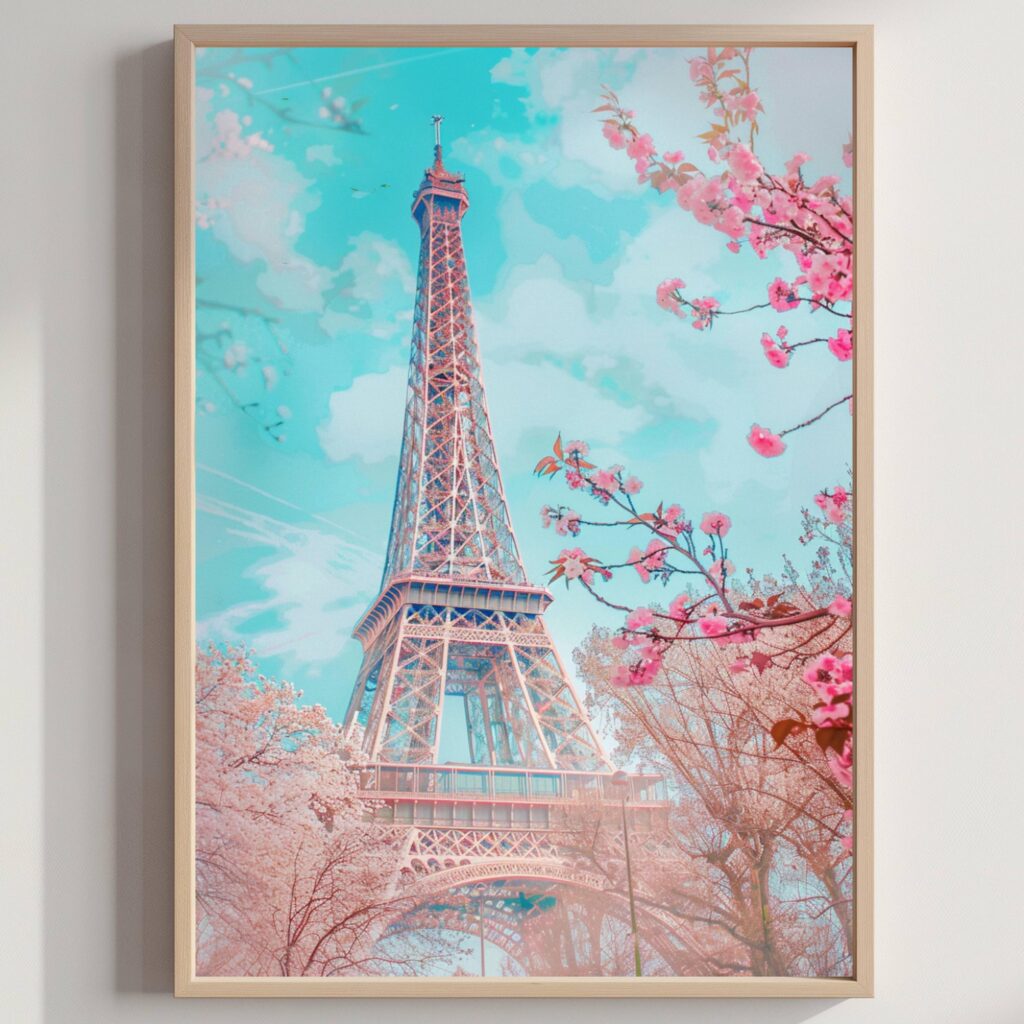
It’s hard to imagine the Paris skyline without it, but the Eiffel Tower was never meant to be permanent. Built by Gustave Eiffel’s engineering firm for the 1889 World’s Fair to mark the centenary of the French Revolution, it was granted a 20-year permit before the city intended to tear it down. Parisian artists and writers petitioned furiously against “this useless and monstrous” tower before it was even finished, and then, once built, fell in love with it anyway.
What saved it, in the end, was radio. In the early 1900s the tower proved perfect for transmitting wireless signals, and later became essential for military radio communication during the First World War. A structure built to be dismantled became too useful to lose, and by the time the practical justification faded, the emotional one had taken over completely.
Taller Than It Looks, Heavier Than It Seems
At 330 metres, the Eiffel Tower held the title of the world’s tallest structure for 41 years, until New York’s Chrysler Building overtook it in 1930. Despite its scale, the tower itself weighs a surprisingly modest 10,100 tonnes, a testament to Eiffel’s lattice ironwork design, which uses far less material than its silhouette suggests. It sways gently in high winds, up to 9 centimetres at the top, and grows taller by around 15 centimetres in summer heat as the iron expands.
Today, over 7 million visitors climb or ride to its viewing platforms each year, making it one of the most visited paid monuments on Earth, and each evening, for five minutes on the hour, it sparkles with 20,000 additional lightbulbs, a display added for the millennium and now a permanent fixture of the Paris night.
Painting an Icon
Few structures are as instantly recognisable, or as challenging to paint freshly, everyone has seen the Eiffel Tower a thousand times before they ever stand beneath it. We’ve tried to capture it with a watercolourist’s eye for light and atmosphere in our own Eiffel Tower Paris Watercolor Print, painted first by hand and printed to order on archival paper, a small piece of Paris for a wall at home.
Nearly meant for the scrapyard, the Eiffel Tower has instead become the very symbol of the city it once scandalised, proof that the most enduring landmarks are rarely the ones anyone plans on keeping forever.